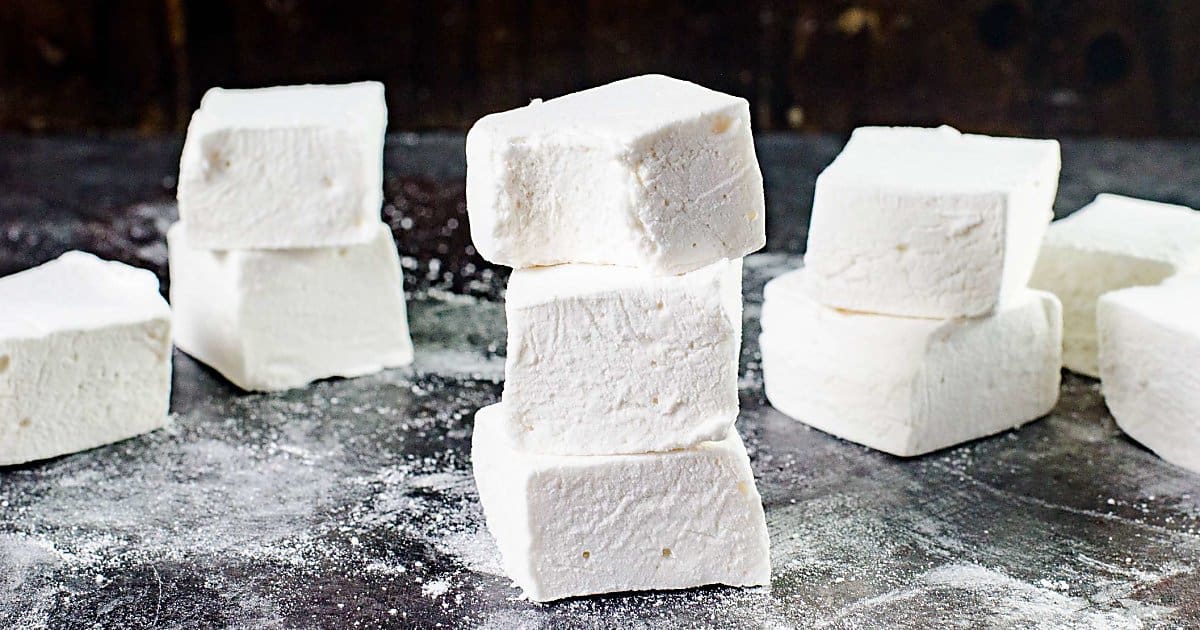
The Sweet Revolution: Why Homemade Marshmallows Transform Your Treats
Imagine a marshmallow so incredibly light, so delicately soft, and so bursting with pure, vibrant flavor that it completely redefines your understanding of this beloved confection. Forget the store-bought blocks; we're talking about a sweet revolution, and it begins with a simple, homemade marshmallow recipe. While commercial marshmallows serve their purpose, the difference between them and their homemade counterparts is like night and day. Crafting marshmallows from scratch opens up a world of superior texture, unparalleled freshness, and an exciting spectrum of flavors that can elevate any dessert, especially your favorite no-bake creations.
The journey into homemade marshmallows isn't just about making a snack; it's about crafting an experience. It's about taking a foundational ingredient and imbuing it with personality and depth. This simple act of making a fresh marshmallow recipe at home promises a confection that is not only infinitely better in taste and texture but also becomes a versatile canvas for culinary creativity, moving beyond a simple topping for hot cocoa or a s'mores ingredient to a starring role in gourmet no-bake desserts.
The Unbeatable Difference: Why Homemade Marshmallows Reign Supreme
For many, the word "marshmallow" conjures images of sticky, uniform cubes from a bag. But once you taste a homemade version, there's simply no going back. The disparity in quality is profound. Here’s why a meticulously followed marshmallow recipe yields a product that's undeniably superior:
- Unrivaled Texture: Store-bought marshmallows often have a rubbery, dense consistency. Homemade marshmallows, by contrast, boast an airy, cloud-like chewiness that melts delicately in your mouth. This ethereal texture is achievable only when made fresh, without the stabilizers and preservatives found in commercial products. They are soft, bouncy, and have a delightful give that feels luxurious with every bite.
- Purity of Flavor: When you control the ingredients, you control the flavor. Commercial marshmallows often rely on artificial vanilla and excessive sugar to mask a lack of genuine taste. A homemade marshmallow recipe allows you to use high-quality vanilla extract, real fruit purees, rich cocoa, or exotic spices, resulting in a clean, intense, and authentic flavor that shines through. You taste the marshmallow, not just the sugar.
- Freshness Factor: Like a freshly baked cookie or a warm loaf of bread, homemade marshmallows offer a freshness that simply can't be replicated by mass-produced items sitting on a shelf for weeks. This freshness contributes significantly to both their superior texture and vibrant flavor.
- Customization Potential: This is where the magic truly happens. A basic marshmallow recipe is merely a starting point. From there, you can infuse almost any flavor imaginable, tailoring your marshmallows precisely to your palate and the demands of your dessert.
In essence, making marshmallows from scratch transforms them from a mere ingredient into a gourmet component, capable of elevating even the simplest of treats into something truly special.
Elevating No-Bake Treats with Flavored Marshmallows
The true genius of homemade marshmallows comes to light when they are incorporated into no-bake desserts, particularly the beloved crispy rice cereal treats. While the classic combination of marshmallows and puffed rice cereal is a timeless comfort, it often benefits from a fresh perspective. Stephanie Banyas, in her cookbook Treat: 50 Recipes for No-Bake Marshmallow Treats, masterfully demonstrates how a simple no-bake snack can be transformed into a sophisticated indulgence through the power of creative mix-ins and, crucially, homemade, flavored marshmallows.
Imagine a crispy treat infused not just with plain sweetness, but with the complex notes of salted caramel, the richness of chocolate-hazelnut, or the zesty tang of key lime pie. This isn't just wishful thinking; it's the reality a thoughtful marshmallow recipe can create. When you craft your own marshmallows, you're not just adding a binder; you're adding a foundational layer of flavor that dictates the entire profile of your finished treat. A strawberry-flavored marshmallow, for instance, naturally pairs with white chocolate chips and dried berries, while a gingerbread marshmallow could be the perfect base for a holiday-themed crispy bar with candied ginger and cinnamon. The synergy between the marshmallow's inherent flavor and carefully chosen mix-ins creates a symphony of taste and texture that store-bought marshmallows can never achieve.
The beauty of this approach lies in its accessibility. As Banyas highlights, these elevated desserts require no oven or specialized equipment beyond basic kitchen tools. The process remains the familiar "dump-and-stir," making it perfect for home bakers of all skill levels, from beginners to seasoned enthusiasts looking for creative outlets. For a deeper dive into the world of creative, oven-free desserts, explore these No-Bake Marshmallow Treats: Easy Gourmet Recipes.
Unleashing Flavor Creativity: Beyond Vanilla
The ability to infuse distinctive flavors is arguably the most exciting aspect of a homemade marshmallow recipe. While a classic vanilla is always welcome, the possibilities are virtually limitless. Here are some inspiring flavor avenues to explore, drawing from examples and expanding with fresh ideas:
- Fruity & Zesty: Think beyond simple extracts. Real fruit purees can create vibrant marshmallows like Berry Cobbler or Key Lime Pie. Imagine mango, passion fruit, or even a delicate rosewater marshmallow. Citrus zests (orange, lemon, lime) add a beautiful aromatic lift.
- Decadent & Rich: Chocolate is an obvious winner, but consider infusing it with espresso for a mocha kick. Chocolate-Hazelnut (think Nutella), Peanut Butter Cup, or White Chocolate-Cranberry are luxurious choices. Try a coconut milk base for a tropical twist, or infuse with Earl Grey tea for an elegant floral note.
- Spiced & Warming: Holiday flavors like Gingerbread and cinnamon are fantastic. Cardamom, star anise, or even a touch of black pepper can add unexpected warmth and complexity. A hint of rum or bourbon can turn a simple vanilla marshmallow into an adult treat.
- Savory-Sweet & Gourmet: The popular Salted Caramel and Pretzel combination highlights this trend. Cream cheese marshmallows can provide a subtle tang, perfect for a red velvet-themed treat. Consider a rosemary-infused marshmallow for a surprisingly sophisticated pairing with dark chocolate.
The key is to select flavors that complement each other and the eventual mix-ins for your no-bake treats. For more imaginative flavor combinations and inspiration, check out how to Transform Crispy Treats: Explore Unique Marshmallow Flavors.
Crafting Your Own: The Simplicity of a Homemade Marshmallow Recipe
Many home bakers shy away from making marshmallows from scratch, intimidated by what seems like a complex process. However, the reality is far simpler than imagined. Most homemade marshmallow recipe variations rely on straightforward stovetop methods and common kitchen equipment, making them incredibly accessible.
The basic process generally involves three main steps:
- Prepare the Gelatin: Gelatin, the magic ingredient that gives marshmallows their bounce, is first bloomed in a small amount of cold water. This softens the granules, allowing them to dissolve smoothly later.
- Cook the Sugar Syrup: Sugar, corn syrup (to prevent crystallization), water, and your chosen flavorings (like vanilla extract or fruit puree) are heated together in a saucepan. The syrup needs to reach a specific temperature (usually around 240-250°F / 115-121°C), which can be monitored with a candy thermometer, though some recipes offer visual cues for those without one.
- Whip to Perfection: The hot sugar syrup is slowly poured into the softened gelatin mixture while whipping vigorously, typically in a stand mixer. This process incorporates air, transforming the liquid into a thick, glossy, and marshmallow-like fluff. This whipping stage is crucial for achieving that signature airy texture.
Once whipped, the mixture is poured into a prepared, dusted pan, allowed to set, and then cut into squares. The simplicity lies in the "dump-and-stir" philosophy extended to the initial mixing and heating, with the mixer doing the heavy lifting for the aeration. The result? A batch of fresh, delightful marshmallows ready to be enjoyed on their own or integrated into your next culinary masterpiece.
Practical Tips for Perfect Homemade Marshmallows
While a homemade marshmallow recipe is generally forgiving, a few practical tips can ensure your success and elevate your results:
- Mise en Place is Key: Gather all your ingredients and equipment before you start. Once the sugar syrup reaches temperature, things move quickly, and you won't have time to search for ingredients.
- Grease and Dust Generously: Marshmallows are inherently sticky. Liberally grease your baking dish and dust it thoroughly with a mixture of powdered sugar and cornstarch (about a 50/50 blend). Don't be shy – this prevents sticking and makes handling much easier. You'll also use this mixture to dust the finished marshmallows.
- Use a Stand Mixer if Possible: While a hand mixer can work, a stand mixer with a whisk attachment makes the whipping process effortless and hands-free, allowing for consistent aeration and preventing arm fatigue.
- Mind the Temperature: A candy thermometer isn't strictly necessary for every marshmallow recipe, but it provides accuracy and confidence, especially for beginners. Reaching the right syrup temperature is crucial for the marshmallows to set properly.
- Don't Rush the Setting Time: Marshmallows need several hours, or even overnight, to set completely at room temperature. Resist the urge to cut them too soon, or they may be too soft and sticky.
- Clean Cuts: For neat squares, lightly oil your knife or pizza cutter and wipe it clean frequently while cutting.
- Storage Savvy: Store homemade marshmallows in an airtight container at room temperature. They are best enjoyed within a week or two, though they can last longer. Avoid refrigerating, as it can make them tough.
Conclusion
The journey from a plain, store-bought marshmallow to a light, intensely flavored homemade confection is a truly rewarding one. Embracing a homemade marshmallow recipe not only offers a superior taste and texture experience but also unlocks endless creative possibilities for your no-bake treats, transforming simple snacks into gourmet delights. As authors like Stephanie Banyas have shown, the path to elevated desserts doesn't require complex techniques or specialized equipment, but rather a willingness to experiment with quality ingredients and a little bit of kitchen magic.
So, take the plunge. Discover the joy of whipping up a batch of airy, sweet, and uniquely flavored marshmallows. Whether you're enhancing a classic crispy treat, garnishing a hot beverage, or simply enjoying them on their own, the difference is profound, and the experience is undeniably sweeter. Don't shy away from trying your first marshmallow recipe – your taste buds will thank you.
